

Betty Unger Community Engagement Initiatives
The core commitment centers on principled, constituent-first engagement rooted in Alberta realities. Priorities include clear goals, accountable values and measurable accessibility. Goals emphasize support for rural populations, tangible services for seniors and practical leadership pathways for youth. Values prioritize equity, respect for Indigenous partnership rights and commitment to transparent, collaborative leadership. Constituents receive consistent responsiveness through scheduled outreach, accessible materials and targeted accommodations for mobility, hearing and language needs.
Commitment to constituents means sustained presence rather than episodic visits. That presence includes ongoing clinics in small-town venues, regular telephone and written follow-up and alignment with municipal service calendars to avoid duplication. Inclusivity is advanced through bilingual and Indigenous-language accommodations when requested, physical accessibility at venues and proactive scheduling to reach shift workers, farmers and seasonal workers. Collaborative leadership principles require shared agendas with municipal councils, community non-profits and Indigenous authorities, with joint planning documents and rotating chairs at roundtable meetings.
Key programs and partnerships

A cluster of programs formed the backbone of outreach: rural resource clinics, seniors support initiatives, youth leadership mentorships and heritage events connecting communities to Alberta history. These programs relied heavily on partnerships with municipal governments, the Métis Nation of Alberta and Treaty-area First Nations, provincial ministries and established non-profits.
Below is a consolidated overview of flagship activities, partners and primary outcomes. The entries below are presented to show structure, partners and the practical results delivered to Alberta communities.
| Program name | Primary audience | Key partners | Launch period | Measurable outcomes |
|---|---|---|---|---|
| Rural Resource Clinics | Rural residents and small towns | Local municipal councils, Alberta Seniors and Housing, community health centres | 2010s | Improved access to provincial services through mobile clinics and casework referrals |
| Seniors Support Hubs | Older adults and caregivers | Municipal seniors centres, health partners, volunteer groups | 2010s | Coordinated information drives, advocacy for home care and transportation improvements |
| Youth Leadership Mentorship | High school and post-secondary youth | School boards, local chambers of commerce, youth non-profits | 2010s | Leadership cohorts, internships and civic participation projects in towns across Alberta |
| Cultural & Heritage Events | Broader community, cultural groups | Local museums, Indigenous cultural centres, arts councils | Ongoing | Increased attendance at commemorations and greater Indigenous cultural representation |
The success of each activity depended on careful scheduling with municipal partners such as Calgary, Edmonton and mid-sized centres including Red Deer and Grande Prairie, and on culturally appropriate engagement with Treaty 6 and Treaty 7 nations and the Métis Nation of Alberta. Non-profit partners commonly included regional United Way chapters and community service organizations that supplied volunteers, space and program delivery expertise.
Advocacy, volunteers and public engagements
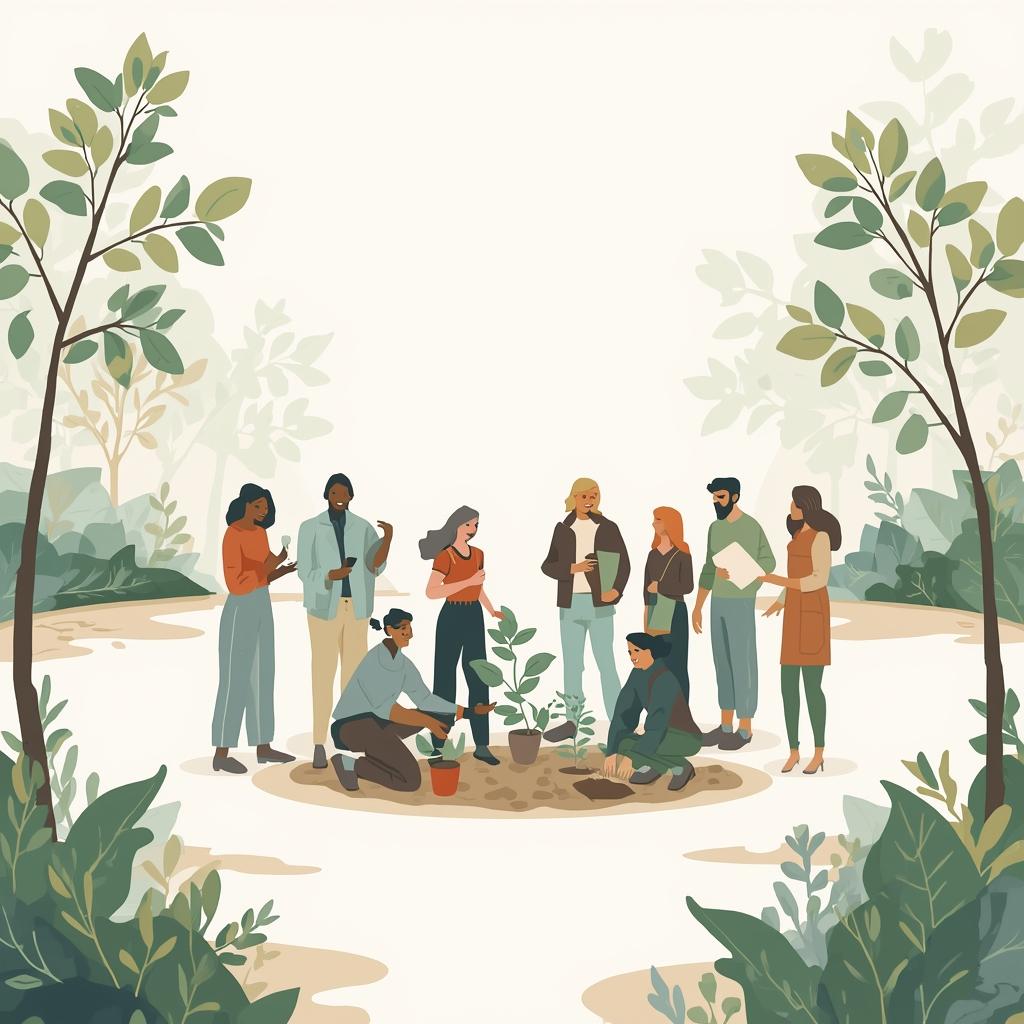
Advocacy prioritized health and seniors, rural economic diversification and education pathways for youth. Health advocacy work emphasized improved home-care funding formulas, supports for caregivers and addressing service gaps in rural emergency care through targeted letters to provincial ministers and coalition-building with health authorities. Rural economic development efforts focused on small business supports, broadband access advocacy and alignment with municipal economic strategies to retain youth.
Volunteer mobilization centered on recruitment through community coalitions, targeted school outreach for youth volunteers and working with municipal volunteer centres for background checks and insurance support. Training emphasized practical skills: client intake, privacy protocols and trauma-informed approaches for those supporting seniors and Indigenous clients. Recognition and retention used annual appreciation events, formal certificates and regular feedback loops to keep volunteers engaged and valued.
Public engagement tactics included town halls, scheduled listening sessions and workshops on policy topics such as seniors’ financial literacy, rural entrepreneurship and cultural heritage stewardship. These events placed an emphasis on accessibility: daytime and evening scheduling, remote participation options by phone, and printed summaries distributed to attendees and local libraries.
Communication, evaluation and legacy

Communications combined traditional media outreach with targeted digital efforts. Traditional outreach involved periodic press releases to Alberta dailies and community newspapers, radio interviews on regional stations and coordinated municipal newsletters to reach rural households. Digital work included searchable archives of program materials, focused social media posts to amplify events and a regular email bulletin for constituents. Accessibility measures included large-print materials, plain-language summaries and availability of interpreters on request.
Impact measurement employed participation tracking, follow-up surveys and qualitative feedback from partner organizations. Metrics emphasized numbers of events held, referral rates from clinics to services and documented policy changes informed by constituent testimony. Feedback mechanisms included on-site comment forms, scheduled follow-ups with municipal partners and annual partner reviews to adjust programming to emerging local needs.
Awards and recognition reflected local appreciation and influence on emerging community leaders. Honors came from municipal councils and community organizations for contributions to seniors programming and regional collaboration. Records of activities, program reports and selected correspondence have been preserved with municipal and community archives to support future work and historical reference.
Challenges included funding constraints that required phased implementation of programs and sustained grant writing, as well as navigating bureaucratic timelines across provincial and municipal jurisdictions. Political dynamics sometimes required careful non-partisan framing to maintain trust and avoid impeding local service delivery. Lessons learned stressed the importance of flexible program design, early partner co-design and robust volunteer support systems.
Looking ahead, sustaining programs beyond tenure relies on documented procedures, committed municipal and non-profit partners and active mentorship to transfer institutional knowledge. Succession planning focuses on training regional coordinators, embedding volunteer coordinators within partner organizations and maintaining accessible records so community work can continue uninterrupted. Recommendations for ongoing community engagement underscore the necessity of consistent presence, co-designed programming with Indigenous partners, and measurable performance tracking to ensure long-term impact across Alberta communities.